

You've probably heard the buzzwords by now. "Rights-based framework." "Statement of Rights." "Associated providers." "Strengthened Quality Standards." If you're an aged care nurse, clinical coordinator, or facility manager, you might be wondering what this actually means for your shift tomorrow.
You're already stretched thin. You're juggling complex care needs, staffing shortages, family expectations, and a mountain of documentation. The last thing you want is another layer of compliance that doesn't actually help your residents.
The Aged Care Act that commenced on 1 November 2025 goes well beyond regulatory box-ticking. It changes how care should be delivered, and once you understand what's actually changed, you can use it to advocate for better resources, better processes, and better outcomes for your residents.
The Big Picture: Why This Matters Now
The new Aged Care Act 2024 (yes, it's called 2024 but commenced in November 2025) is the biggest shake-up of Australia's aged care system in a generation. It replaces three separate pieces of legislation:
- The Aged Care Act 1997
- The Aged Care (Transitional Provisions) Act 1997
- The Aged Care Quality and Safety Commission Act 2018
This goes beyond minor tinkering. The entire legislative foundation of aged care in Australia has been rebuilt from the ground up.
Why Now? The Royal Commission's Damning Findings
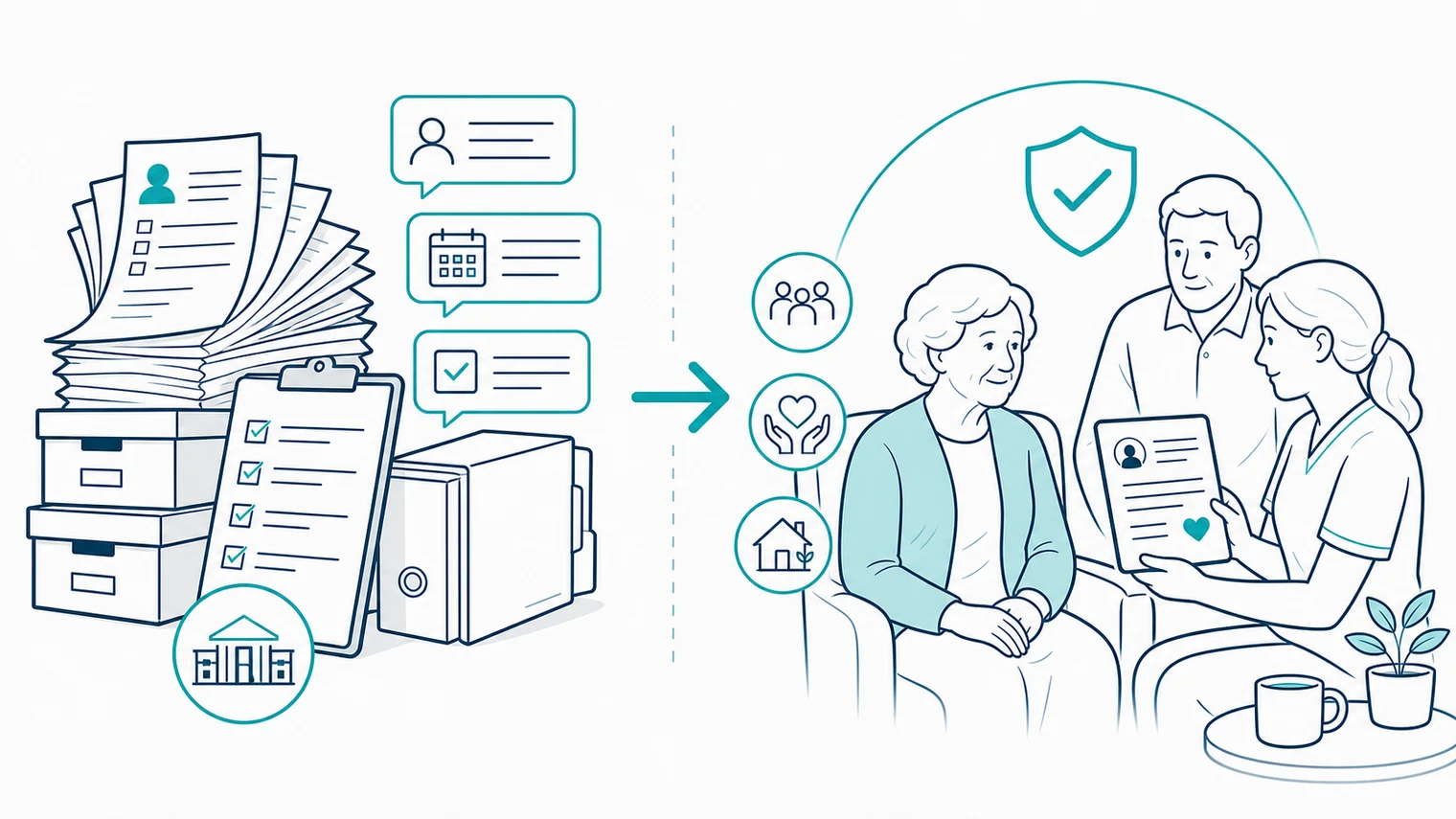
This reform responds directly to the Royal Commission into Aged Care Quality and Safety, which ran from 2018 to 2021 and produced findings that shocked the nation. The Commission found:
- The previous system was built around provider funding mechanisms rather than the rights and needs of older people.
- Older Australians had been subjected to "neglect" and "a shocking tale of neglect".
- The regulatory framework lacked teeth, so providers could fail residents without meaningful consequences.
- Care quality varied wildly. Some residents received excellent care while others experienced abuse, neglect, or substandard treatment.
- The system was reactive rather than preventive, often only intervening after harm had already occurred.
The Royal Commission delivered 148 recommendations, three pieces of legislation were consolidated into one new Act, and seven new Quality Standards replaced the previous framework (Royal Commission into Aged Care Quality and Safety, Final Report, 2021).
The Fundamental Shift: From Provider-Focused to Rights-Based
What the old framework looked like
The previous legislation was largely about funding mechanisms. How much money does this facility receive? What services does that funding cover? The resident was almost incidental to the regulatory structure.
What the new framework does
The new Act is built around residents' rights. If a resident has the right to "quality and safe care" and "person-centred communication", that's now a legal entitlement. Your facility is accountable for delivering it.
Key Dates
- 1 November 2025. The Support at Home Program commenced, replacing Home Care Packages and CHSP.
- 1 November 2025 (current phase). The new Aged Care Act commenced. New Quality Standards, new provider registration, and new accountability rules all start together.
- First week of November 2025. Existing providers received notification of their deemed registration details.
- Ongoing. Providers need to renew registration based on their category, with a minimum of six months from transition.
If your facility hasn't already briefed you on these changes, it's worth starting to ask questions now.
What's Actually Changed: The Seven New Quality Standards
The old Quality Standards have been replaced with seven strengthened standards that are more detailed, more measurable, and more focused on outcomes. These go beyond reworded versions of what came before. They represent a fundamental shift in how quality is defined and measured.
1. The Individual
Supporting each resident's identity, diversity, and personal goals. Care must be tailored to this specific person.
- Understanding and respecting each person's identity, culture, and life history
- Supporting personal goals and preferences
- Recognising diverse needs (cultural, linguistic, LGBTIQ+, disability)
- Enabling real connections with family and community
2. The Organisation
Leadership, governance, and workforce planning. Creates accountability at the leadership level.
- Strong leadership prioritising quality and safety
- Effective governance with clear accountability
- Workforce planning that ensures adequate staffing with the right skills
- Systems for continuous improvement
3. The Care and Services
Safe, appropriate, and tailored support. Clinical decision-making meets resident preferences.
- Care and services that are safe and appropriate
- Support tailored to each person's needs and preferences
- Regular assessment and review of care needs
- Effective care coordination
4. The Environment
The physical environment must be safe, accessible, and comfortable.
- Safe and well-maintained buildings and equipment
- Accessible design that supports independence
- Infection prevention and control measures
- Emergency preparedness
5. Clinical Care
The big one for anyone involved in clinical services. Standard 5 covers clinical governance, infection prevention, safe medicine management, and more. It's the standard that matters most when external providers are delivering care to your residents.
- Clinical governance. Integrated leadership, policies, and monitoring.
- Infection prevention and control. Systems to prevent and manage infections.
- Safe medicine management. Appropriate prescribing, dispensing, and administration.
- Full care assessment. Thorough assessment of clinical needs.
- High-impact risks. Falls, pressure injury, nutrition, pain management.
- Cognitive impairment. Specialised care for dementia.
- Palliative care. End-of-life care that respects the resident's wishes.
6. Food and Nutrition
Recognises nutrition as fundamental to health and quality of life.
- Nutritious food that meets dietary needs
- Meals that are enjoyable and reflect preferences
- Served in a pleasant environment
- Appropriate assistance when needed
7. The Residential Community
The community experience within residential care.
- Creating a sense of community and belonging
- Supporting relationships between residents
- Enabling participation in activities
- Involving residents in decisions about communal living
The Statement of Rights: Not Just Posters on Walls
The Statement of Rights is one of the most significant elements of the new Act. It enshrines the fundamental rights of older people receiving aged care services and creates legally enforceable entitlements.
Independence and choice
- The right to be treated as an individual
- The right to make decisions about your own care
- The right to take risks (with informed consent)
- The right to refuse treatment
- The right to independence and autonomy
Dignity and respect
- The right to be treated with dignity and respect
- The right to have identity, culture, and diversity respected
- The right to privacy
- The right to confidentiality of personal information
Quality and safety
- The right to safe, quality care
- The right to services delivered by skilled and qualified workers
- The right to a clean, safe, and comfortable environment
- The right to be free from abuse, neglect, and exploitation
Information and communication
- The right to clear information about services, fees, and conditions
- The right to person-centred communication, including in your preferred language
- The right to be informed about decisions affecting your care
- The right to access your own records
Complaints and advocacy
- The right to raise concerns without fear of reprisal
- The right to access complaints and advocacy services
- The right to have complaints dealt with fairly and promptly
- The right to support from a representative of your choice
Why this matters for daily practice
These rights are legally protected entitlements. When a GP orders imaging for a resident, you can't just book the first available option. You need to consider:
- Does this resident have capacity to consent? If not, who is the decision-maker?
- What is the least disruptive way to complete this diagnostic?
- Will this process respect the resident's dignity and preferences?
- Is there an alternative that would cause less distress?
The new Act gives you grounds to advocate for better alternatives. If your facility manager says "that's just how we do it," you can point to the Statement of Rights and say, "we have a legal obligation to consider whether there's a less harmful approach."
The New Provider Registration Model
One of the biggest structural changes is the new unified registration system. Instead of the previous "approved provider" model, the Act establishes six registration categories based on the types of services delivered:
| Category | Services Covered |
|---|---|
| Category 1 | Home and community services |
| Category 2 | Assistive technology and home modifications |
| Category 3 | Advisory and support services |
| Category 4 | Personal care and support in the home or community (including respite) |
| Category 5 | Nursing and transition care |
| Category 6 | Residential care (including respite) |
What Happened on Transition Day
All existing approved providers were automatically deemed as registered providers under the new Act, so there was no need to reapply. A few details worth knowing:
- Providers received notification of their deemed registration categories in the first week of November 2025
- Registration is granted for a set period (minimum 6 months from transition day)
- Renewal requirements vary based on registration category
- ACQSC will invite providers to initiate registration renewal before expiry
The Code of Conduct: Enforceable Standards for Every Worker
The new Act establishes an Aged Care Code of Conduct that applies to all workers delivering aged care services, whether they're directly employed by your facility or working through an external provider.
Workers must:
- Act with integrity, respect, and transparency in all interactions.
- Respect older people's rights, privacy, and dignity at all times.
- Act professionally and provide safe care within their scope of competence.
- Report misconduct and respond to concerns without delay.
- Not engage in any form of abuse, neglect, or exploitation. Zero tolerance.
The Code isn't aspirational. The ACQSC can investigate breaches and take action against individual workers, not just facilities, which creates personal accountability across the care chain.
For frontline staff, that's actually protective. If you witness misconduct by a colleague or external provider, you have both the obligation and the backing to report it. The new whistleblower protections mean concerns can be raised without fear of payback.
Associated Providers: Why This Changes Everything for External Services
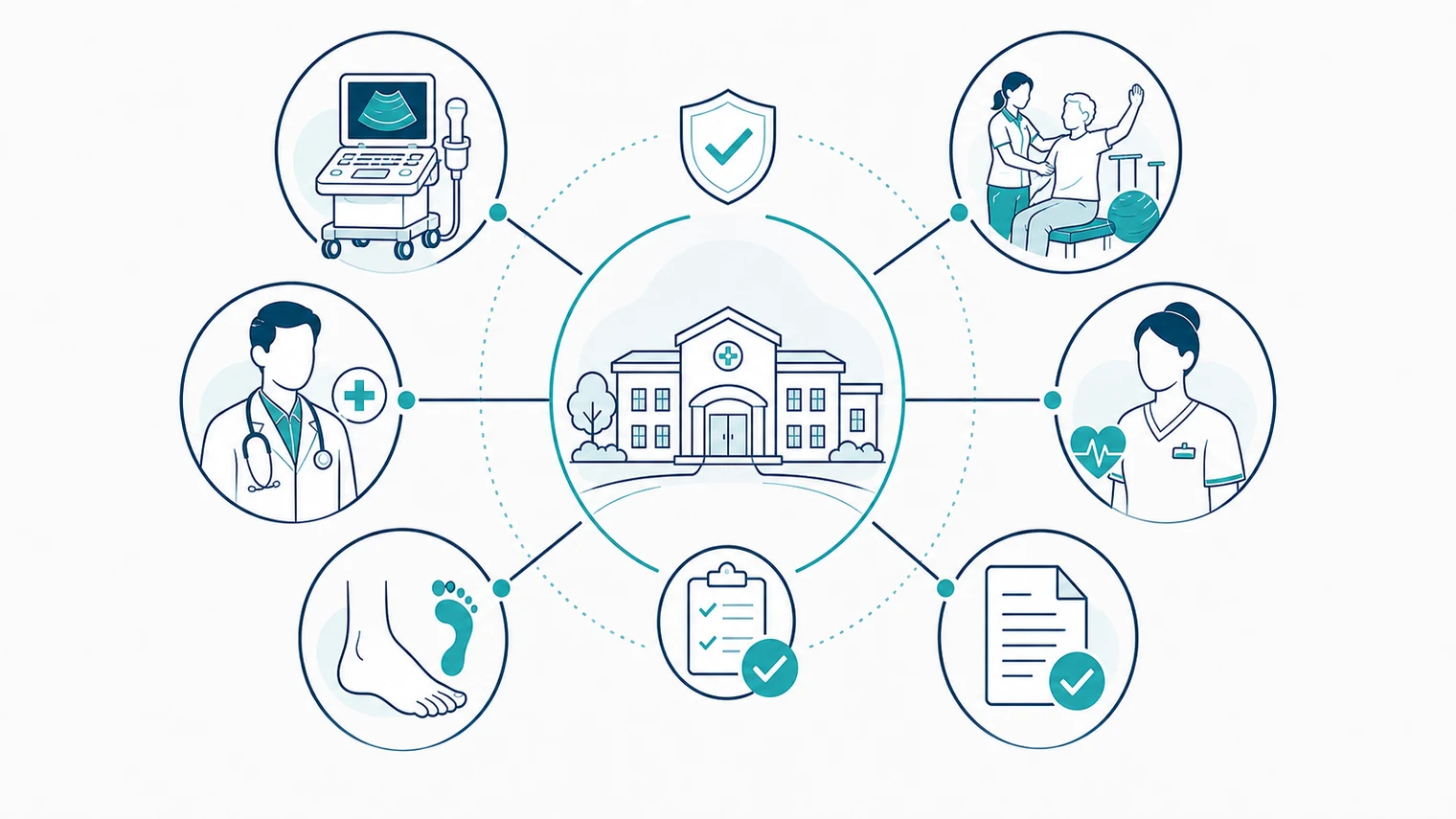
Here's where it gets really interesting for your daily operations. The new Act formally recognises and regulates associated providers, meaning organisations or individuals delivering aged care services on behalf of your facility. This includes:
- Mobile radiology and diagnostic imaging providers
- Allied health services (physio, OT, podiatry, and so on)
- Locum GPs and visiting medical officers
- Agency nursing staff
- Pharmacy services
- Any other external clinical provider
What Regulatory Bulletin RB 2025-01 Requires
- Set up strong oversight systems to monitor, support, and verify associated provider compliance.
- Ensure quality, safety, and compliance of all services delivered by associated providers.
- Verify Statement of Rights alignment so services are compatible with older people's rights.
- Maintain screening requirements for all workers.
- Document and notify. Identify associated providers in agreements and notify ACQSC of changes.
The flip side is that this also gives you fair grounds to demand better from your service providers. If an external provider can't demonstrate compliance, can't provide evidence of worker screening, or can't fit into your clinical governance processes, you have both the right and the obligation to find a provider who can.
Strengthened Enforcement: The ACQSC Has Real Teeth Now
The Royal Commission found the previous regulatory framework lacked meaningful enforcement powers. The new Act changes that in a big way.
The Aged Care Quality and Safety Commission can now:
- Conduct unannounced inspections of facilities and associated service providers.
- Issue regulatory notices requiring specific compliance actions.
- Apply conditions to provider registration.
- Suspend or revoke registration for serious non-compliance.
- Impose civil penalties for breaches of statutory duties.
- Investigate systemic issues across the aged care sector.
- Take action against individual workers for Code of Conduct breaches.
Shared Accountability: The regulator can now directly investigate external service delivery if concerns are raised. Your facility can't say "that was the imaging company's responsibility" and the imaging company can't say "we just did what the facility asked." Both parties are accountable.
What This Means for Diagnostic Imaging in Your Facility

The old reality
A GP orders imaging. You coordinate transport (ambulance, family, staff escort). The resident travels to a hospital or clinic, waits sometimes hours in an unfamiliar environment, the imaging is performed, and they return exhausted and often more unwell. Results arrive days later.
What the new framework asks
- Was this process consistent with the resident's Statement of Rights?
- Did it respect their autonomy and dignity?
- Was it the safest, most appropriate option for this resident?
- Did the external imaging service meet Standard 5 requirements?
- Were proper consent processes followed?
- How did the facility verify the provider's compliance?
If your default process is "send them to hospital for everything," you now need to document why that's the best option for each resident, not just the easiest option for the system.
How mobile imaging supports compliance
When services come to the resident rather than the other way around:
- Standard 1. The resident stays in their familiar environment with trusted staff present.
- Statement of Rights. Dignity is maintained, preferences are respected, routine isn't destroyed.
- Standard 5. Clinical protocols can plug into your facility's governance, and results flow directly to treating clinicians.
- Associated provider. Documented service agreements, verified worker screening, transparent quality standards.
The Clinical Governance Integration Challenge
The new Act requires that all clinical services, including those from associated providers, work with your facility's clinical governance framework.
What clinical governance means in practice:
- Documented clinical protocols for imaging orders and reporting
- Quality assurance mechanisms for diagnostic accuracy
- Escalation procedures for urgent findings
- Links to care planning and clinical decision-making
- Incident management and reporting aligned with facility systems
Many facilities have treated external diagnostic services as completely separate from their internal clinical governance. The imaging company does its thing, sends a report, and that's the end of the interaction. Under the new framework, that's not enough.
What good clinical governance integration looks like
- Clear escalation pathways. For common presentations (suspected DVT, query fracture, respiratory concerns), there's a documented pathway specifying who orders what, how it's booked, and how results get back to staff.
- Direct referral pathways. Nursing staff can start referrals using standardised forms, cutting delays and making sure the right clinical information is shared.
- Urgent case protocols. Clear criteria for what counts as urgent, and mechanisms to prioritise those cases.
- Real-time communication. Urgent findings are communicated verbally immediately, not just via written reports.
- Care planning integration. Diagnostic results feed straight into care planning and clinical decision-making.
The Support at Home Program
The Support at Home program, which commenced on 1 November 2025, replaces the existing Home Care Packages and Commonwealth Home Support Programme (CHSP).
New Classification System
| Category | Service Types | Funding |
|---|---|---|
| Clinical Care | Nursing, allied health, clinical services | Fully government-funded (no participant contribution) |
| Independence | Services that help maintain independence and function | Moderate participant contribution |
| Everyday Living | Day-to-day support services | Higher participant contribution |
The new system uses eight classification levels (1-8) based on assessed needs, replacing the previous four HCP levels. Higher levels deliver more funding but come with bigger participant contributions for non-clinical services.
When Hospital Transfer Is Still the Right Call
Let's be clear: mobile imaging doesn't replace hospitals. It makes hospital transfers more strategic when they're genuinely necessary.
When mobile imaging is the right call
- Post-fall assessments (query fractures, hip or wrist injuries)
- Suspected DVTs (leg swelling in residents with limited mobility)
- Respiratory concerns (persistent cough, suspected pneumonia)
- Abdominal pain (gallstones, urinary obstruction, bowel issues)
- Unexplained symptoms (weight changes, lumps requiring investigation)
- Ongoing monitoring (following up known conditions)
When hospital transfer is the right call
- Suspected cervical neck injuries (need immobilisation and specialist trauma care)
- Acute emergencies (active blood loss, severe respiratory distress)
- Time-critical surgical cases (such as neck-of-femur fractures requiring same-day surgery)
- Cases where clinical assessment clearly indicates hospital-level care is needed
With mobile imaging, when residents do need hospital care, they go with actual diagnostic information. Instead of "87-year-old with fall, query fracture" sitting in ED triage for hours, they arrive with "confirmed radial fracture, images available" and go straight to the right treatment.
That's better for the resident and better for the hospital, and it's a practical example of what the new Act's focus on quality, safe care looks like in practice.
How to Prepare Your Facility: A Practical Roadmap
If your facility hasn't already prepared for the new Act requirements, here's what you need to do now:
- Audit your associated provider arrangements.
- List all external services your facility uses (imaging, allied health, locum doctors, agency staff).
- For each provider: do you have documented service agreements that address compliance with the Quality Standards?
- Can each provider demonstrate worker screening compliance?
- How do their services integrate with your clinical governance?
- Update your service agreements.
- Make sure agreements clearly spell out compliance obligations.
- Include requirements for incident reporting and communication protocols.
- Specify how the provider will line up with the Statement of Rights.
- Document expectations for clinical governance integration.
- Brief your clinical team.
- Make sure all nursing staff understand the new Quality Standards.
- Train staff on when and how to use associated providers properly.
- Set up clear protocols for booking, consent, and escalation.
- Create documentation templates that capture compliance evidence.
- Review your imaging pathways.
- For each common clinical presentation requiring imaging, document your escalation pathway.
- Identify which situations suit mobile imaging versus hospital transfer.
- Make sure your imaging providers can plug into your clinical governance.
- Set up communication protocols for urgent findings.
- Advocate for better options.
- If current external providers can't meet compliance requirements, find providers who can.
- If your facility defaults to hospital transfer when mobile options exist, advocate for change.
- If you encounter policy barriers, raise them with management and peak bodies.
What Good Looks Like: A Day in the Life Under the New Framework
- 8:30 AM. Mrs Chen had a fall overnight. The night nurse documented the incident and ran an initial assessment. No immediate red flags, but she's guarding her wrist and there's some swelling.
- 9:00 AM. The GP reviews via telehealth and orders an X-ray to rule out a fracture. Under the old system, this would set off the transport coordination nightmare.
- 9:05 AM. The clinical coordinator checks the escalation pathway. For a suspected distal fracture in a stable resident, the pathway specifies mobile imaging as the first option. She opens the online booking portal.
- 9:10 AM. Booking submitted, referral uploaded. The system confirms a technician can attend this afternoon. Mrs Chen's cognitive status and mobility needs are documented.
- 2:00 PM. The mobile radiographer arrives, notes already reviewed. They know Mrs Chen has mild dementia and prefers her afternoon carer, Julie, to be present.
- 2:15 PM. X-ray completed in Mrs Chen's room. Julie held her hand. Mrs Chen stayed in her chair the entire time. She's a little confused about what just happened, but calm and comfortable.
- 4:00 PM. The radiologist's report confirms a non-displaced distal radius fracture. The result goes to the GP and is flagged to the clinical coordinator.
- 5:00 PM. Mrs Chen has dinner in her usual spot. Her routine is intact. Her anxiety levels are normal. The facility has documented compliant, rights-respecting care.
That's what quality aged care looks like under the new framework. The point isn't more paperwork. The point is having systems and partnerships that allow genuine person-centred care.
You Have More Power Than You Think
If you're reading this as an aged care nurse, clinical coordinator, or care manager, you might feel like you don't have much control over these big systemic changes. The legislation is decided, the standards are set, and you just have to comply.
You have more power to shape this than you might realise. You're the one who decides whether to default to hospital transfer or look at alternatives. You're the one who can advocate for mobile imaging partnerships. You're the one who documents whether care was person-centred and rights-respecting.
The new Act gives you a framework to push back when systems aren't working. When you say "this process doesn't respect Mrs. Chen's rights," that's no longer just an opinion. It's a compliance concern.
The aged care professionals who understand this framework will be the ones who lift their facilities. The ones who treat it as just more paperwork will be the ones who struggle.
Key resources
Official documentation and guidance for the new Aged Care Act:
Primary legislation
- The Aged Care Act 2024. Commenced 1 November 2025.
- Strengthened Aged Care Quality Standards. Seven new standards effective from 1 November 2025.
- Statement of Rights. Chapter 2 of the new Act.
Regulatory guidance
- Regulatory Bulletin RB 2025-01. Associated provider requirements from ACQSC.
- Provider registration categories. Six categories under Chapters 3-4.
- Aged Care Code of Conduct. Chapter 5 of the Act.
Additional resources
- Support at Home Program. New funding framework commencing 1 November 2025.
- Royal Commission Final Report (2021). 148 recommendations.
- ACQSC website. www.agedcarequality.gov.au
This article is intended for informational and educational purposes for aged care professionals. Regulatory information is current as of December 2025. Please verify specific compliance requirements with the Aged Care Quality and Safety Commission.


