
Pricing
Simple, transparent pricing
Mobile ultrasound and X-ray brought to aged care facilities and private homes across Greater Brisbane. Medicare benefit handled for eligible imaging, with one clear quoted gap and no surprises.
Our rates
Two services, two settings, one honest price
At Modia Health, we believe healthcare should be accessible and affordable. Whether you're an aged care facility or a patient recovering at home, our mobile imaging services bring professional diagnostic care directly to you, eliminating the stress and costs of travelling to a clinic or hospital.
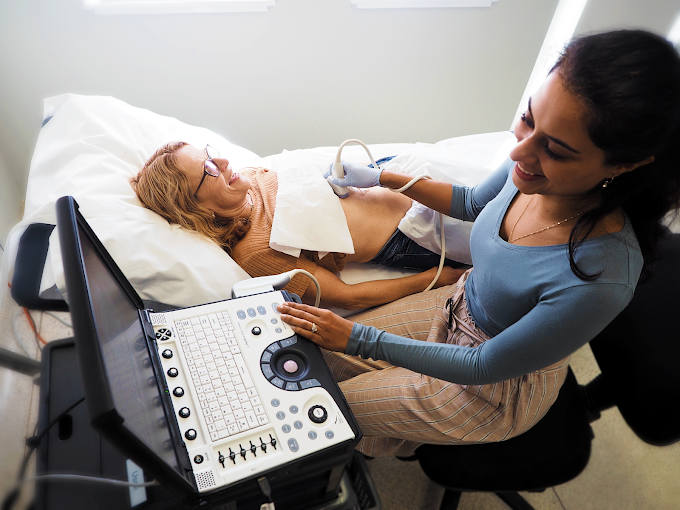
Includes:
- Abdominal ultrasound
- Pelvic ultrasound
- Renal ultrasound
- Musculoskeletal ultrasound
- Vascular Doppler studies
- Soft tissue examinations
.webp)
Includes:
- Chest X-rays
- Abdominal X-rays
- Limb X-rays
- Spine imaging
- Post-fall assessments
- Follow-up imaging
What's included
What's Included in Every Service
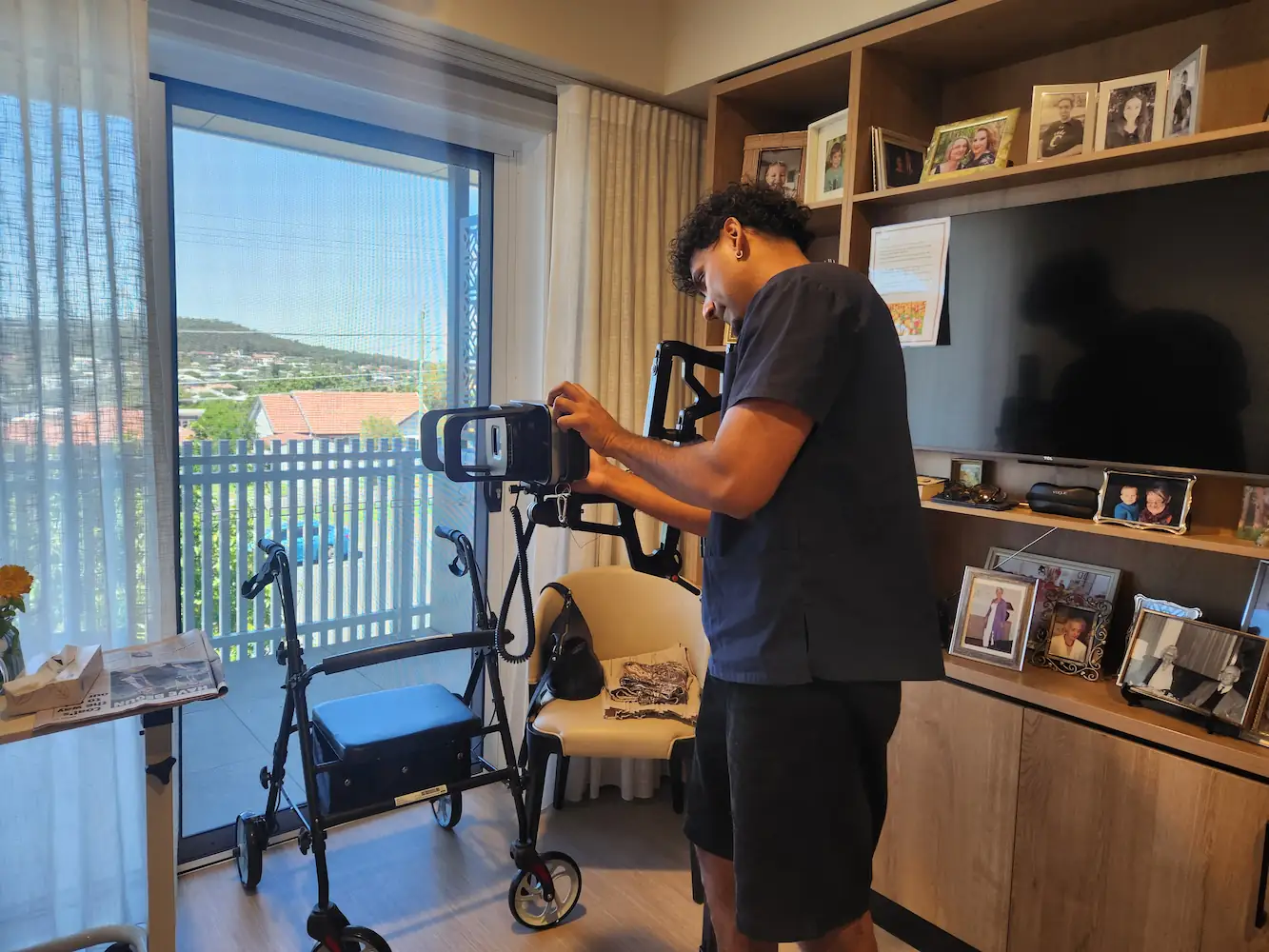
When you choose Modia Health, you're not just paying for a scan, you're investing in a complete, professional healthcare experience.
Qualified Professionals
Experienced radiographers and sonographers with 15+ years experience
State-of-the-Art Equipment
Latest portable imaging technology for optimal diagnostic quality
Travel to Your Location
No need to organize transport - we come to you, anywhere in our service area
Full Setup & Cleanup
Complete equipment setup and sanitization - you don't lift a finger
Professional Reporting
Detailed radiologist report sent directly to your referring doctor within 24-48 hours
Safety Protocols
Hospital-grade infection control, radiation safety measures, and proper shielding
The value
Why Mobile Imaging is Worth Every Dollar
For aged care residents and patients being cared for at home, mobile imaging isn't just convenient, it's often the safest and most dignified option. Here's why our service provides exceptional value for money.
Maintains Dignity & Comfort
Patients remain in their familiar, comfortable environment, whether that's their own home or their aged care room. No stressful transfers, no unfamiliar hospital settings, no rushed procedures.
- Stay in your own bed or chair
- Family, carers and support people can be present
- Familiar surroundings reduce anxiety
- More time for questions and explanation
Protects Patient Health
Hospital and clinic transfers carry significant health risks for frail, elderly or less mobile patients, particularly those with dementia or limited mobility, whether they live in aged care or at home.
- Eliminates 17% risk of delirium from transfers
- Prevents 19% risk of hospital-acquired infections
- Avoids 19% risk of pressure ulcers
- Reduces falls risk in unfamiliar environments
Saves Valuable Time
No wasted hours in waiting rooms or coordinating transport. Our appointments are efficient and on-time.
- Average hospital transfer: 4-5 hours door-to-door
- Our mobile service: 20-45 minutes total
- No waiting room delays
- Scheduled appointments arrive on time
Same Diagnostic Quality
You get hospital-quality imaging with the same equipment and trained professionals as traditional facilities.
- State-of-the-art portable equipment
- Fully qualified radiographers and sonographers
- Professional radiologist reporting
- Medicare-approved diagnostic imaging
Cost comparison
Understanding the True Cost of Hospital Transfers
While mobile imaging has an upfront cost, it's often more affordable than you think when you consider the hidden costs of transporting a patient, whether from an aged care facility or their own home, to a hospital or clinic.
| Cost Factor | Hospital Transfer | Modia Health Mobile |
|---|---|---|
| Ambulance Transport | $2,000 (round trip average) | $0 - Included |
| Emergency Department Visit | $533 per visit | $0 - Not required |
| Hospital Admission Risk | $11,000 average (30% of transfers) | $0 - Avoided |
| Staff Time | 4-5 hours coordination | Minimal - 20-45 min total |
| Travel Time | 4-5 hours total | 0 - We come to you |
| Patient Stress | High anxiety, confusion | Minimal - familiar setting |
| Imaging Cost | $2,533 - $13,533+ | $130 - $340 |
Real Savings: Based on Australian healthcare data, avoiding unnecessary hospital transfers can save the healthcare system between $2,533 and $13,533 per patient, while keeping residents safer and more comfortable.
Source: AMA Care Can't Wait Report 2021, RACGP 2023 data
What you avoid
What Patients Avoid with Mobile Imaging
Mobile imaging eliminates the trauma and risks associated with transferring a patient to hospital. From physical dangers to emotional stress, here's what residents and at-home patients avoid when you choose on-site care.
Delirium Risk Eliminated
Transfers trigger delirium in 17% of elderly patients, potentially accelerating dementia progression and increasing mortality risk.
Infection Risk Avoided
Hospital-acquired infections affect 19% of transferred elderly patients, including pneumonia, UTIs, and C. difficile.
Pressure Ulcer Risk Eliminated
Long waits in EDs and transfers increase pressure sore development, which can take months to heal.
Functional Decline Prevented
Half of elderly patients experience functional decline after hospitalization, often never regaining previous mobility levels.
Transfer Anxiety
Eliminates fear and confusion of ambulance transport and unfamiliar hospital environment.
Family Separation
Family and caregivers can remain present throughout the imaging procedure.
Physical Exhaustion
50% of transferred patients return exhausted; mobile imaging prevents this.
Loss of Dignity
Avoids rushed hospital procedures and maintains patient dignity and comfort.
Ambulance Coordination
No need to arrange, wait for, or pay for ambulance transport.
4-5 Hour Disruption
Typical hospital visit takes all day; mobile imaging takes under an hour.
Paperwork & Coordination
Extensive staff time coordinating transfers and hospital admissions.
Hidden Costs
Transport fees, hospital admission costs, potential complications adding thousands.
ED Overcrowding
Reduces pressure on already overloaded emergency departments.
Hospital Bed Shortage
Prevents unnecessary 5.8-day average hospital stays.
System Costs
Each avoided admission saves healthcare system $2,533 - $13,533.
Resource Efficiency
Frees up ambulances and hospital resources for true emergencies.
The Bottom Line
Mobile imaging isn't just more convenient, it's actively better for patient health, dignity, and outcomes. For patients with limited mobility or cognitive impairment, in aged care or at home, avoiding hospital transfers can literally be life-saving.
Medicare
Medicare Benefits & Gap Payments

Medicare Coverage
For Medicare-eligible imaging with a valid referral from a GP, medical practitioner, or participating nurse practitioner, you pay only the quoted gap. Modia Health handles the Medicare benefit for you.
What We Need:
- Valid referral from GP, medical practitioner, or participating nurse practitioner
- Medicare card details
- Referrals are valid for 12 months from consultation date
Out-of-Pocket Costs:
Please note: We confirm your quoted gap before booking. Any non-eligible service, additional travel, or private billing arrangement is explained upfront before the appointment goes ahead.
Questions
Pricing FAQs
Mobile imaging includes several additional services that traditional clinics don't provide:
- Travel to your location Our professionals drive to you with all equipment
- Portable equipment costs Specialized mobile equipment is more expensive than fixed installations
- Setup and cleanup Time and resources for on-site preparation
- Convenience premium Value of avoiding hospital transfers, ambulance costs, and 4-5 hour disruptions
When you factor in ambulance costs ($2,000), ED visits ($533), and potential hospital admissions ($11,000), mobile imaging is significantly more cost-effective for the overall healthcare system.
For Medicare-eligible imaging with a valid referral, you pay only the quoted gap and we handle the Medicare benefit for you. Any non-eligible service or extra travel cost is quoted before the appointment is confirmed.
Our pricing is transparent and includes:
- Travel to your location (within our standard service area)
- Professional imaging technician
- All equipment and supplies
- Professional radiologist report
Additional travel fees may apply for locations outside our standard coverage zone (typically within a 50 km radius of the Brisbane CBD). We'll always inform you of any additional costs before confirming your appointment.
Weekend and public holiday services are priced at 2x the weekday rate for that setting (for example, an aged care ultrasound rises from $150 to $300, and an in-home ultrasound from $170 to $340) to reflect:
- Higher staff costs for weekend work
- Limited availability of radiologists for report processing
- Premium for emergency or urgent weekend services
We recommend scheduling non-urgent imaging for weekdays when possible to save costs.
Yes! We offer customized arrangements for facilities that use our services regularly. This may include:
- Discounts for direct resident account billing arrangements
Contact our team at 1300 600 039 to discuss a partnership arrangement for your facility.
We accept:
- Credit and debit cards
- Direct bank transfer
- Facility billing (for aged care facilities)
- NDIS funding (where applicable)
Payment is typically required at time of service. For Medicare-eligible imaging, Modia Health handles the Medicare benefit on your behalf.
Absolutely. When you consider the alternatives:
- Ambulance transport: $2,000 round trip
- ED visit: $533
- Hospital admission (30% of transfers): $11,000
- 4-5 hours of disruption vs. 20-45 minutes
- 17% risk of delirium avoided
- 19% risk of infections avoided
Mobile imaging provides faster outcomes with equivalent diagnostic accuracy at a fraction of the total cost and risk of hospital transfers, particularly for elderly patients.



Copyright Modia Health 2025 | All Rights Reserved | Web design by Red Ox Digital